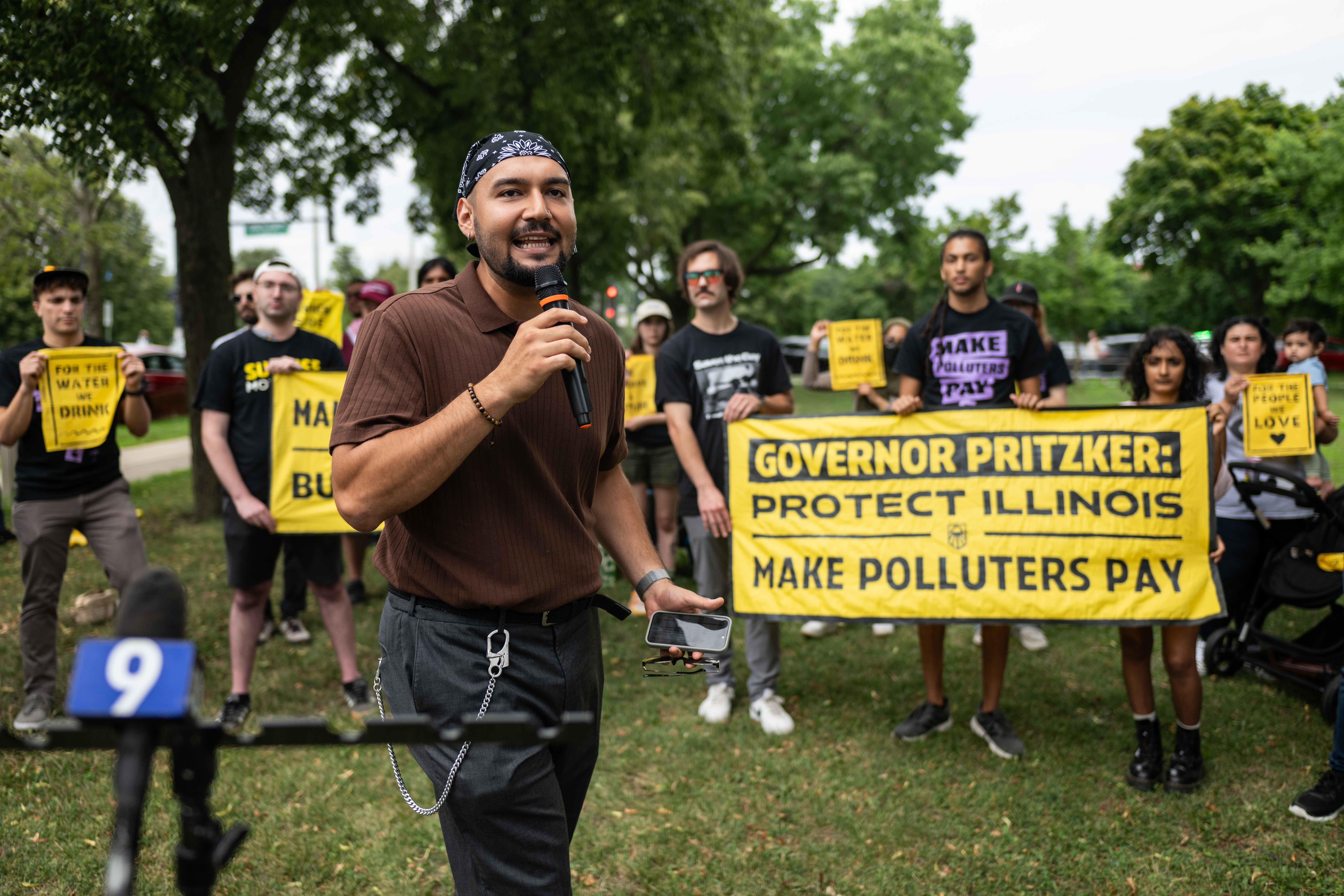
llinois faces an unprecedented financial burden from climate disasters. Extreme precipitation events have increased 40% since the early 20th century, with devastating consequences. When 9 inches of rain fell on Chicago in July 2023—exceeding the monthly average of 3.7 inches—1,400 homes flooded. The state’s combined sewer systems overflow with just 0.3 inches of rain, sending untreated sewage into Lake Michigan.
The financial implications are staggering. Illinois requires $6.1 billion to retrofit schools with air conditioning systems that weren’t necessary when these buildings were constructed. Annual flood losses have averaged $260 million since the 1980s, among the highest nationally. A landmark 2025 study found that emissions from just five major companies caused measurable economic damage to every state, with Illinois losing billions in GDP from extreme heat alone. Insurance companies Pekin and Secura have stopped writing new homeowner policies after unprecedented 2023 storm losses, leaving residents vulnerable.
Currently, taxpayers bear 100% of these costs while fossil fuel companies that caused the crisis pay nothing
The Climate Superfund Solution
New Data for Progress polling (August 2025) shows overwhelming support for holding polluters accountable:
- 78% of Illinois voters support Climate Superfund legislation requiring polluters to pay into a fund for climate disaster recovery
- 86% of Illinois voters are concerned about rising insurance rates driven by extreme weather
- 71% of Illinois voters say oil and gas CEOs have too much power in America’s political system
- 61% of Illinois voters would be more likely to vote for a candidate who supports Climate Superfund legislation, while only 15%
would be less likely - National support remains strong: 79% of Americans believe oil companies should pay a share of climate costs
Implementation
-
1
Great Lakes water level fluctuations affecting shipping and infrastructure
-
2
Combined sewer overflow systems overwhelmed by intense precipitation
-
3
Agricultural losses from extreme weather (projected 23-34% corn yield reduction by mid-century)
-
4
Public health costs from heat waves, poor air quality, and vector-borne disease increases
-
5
School infrastructure inadequate for rising temperatures
-
6
Road and bridge repairs from freeze-thaw cycles intensified by temperature swings
-
7
Stormwater management system upgrades for urban and rural communities
-
8
Shoreline erosion protection along Lake Michigan
-
9
Power grid resilience against extreme weather events
-
10
Cooling center expansion and operation for vulnerable populations

Chicago Tribune
Chicago activists urge Pritzker to pass law to make polluters pay for climate change damages