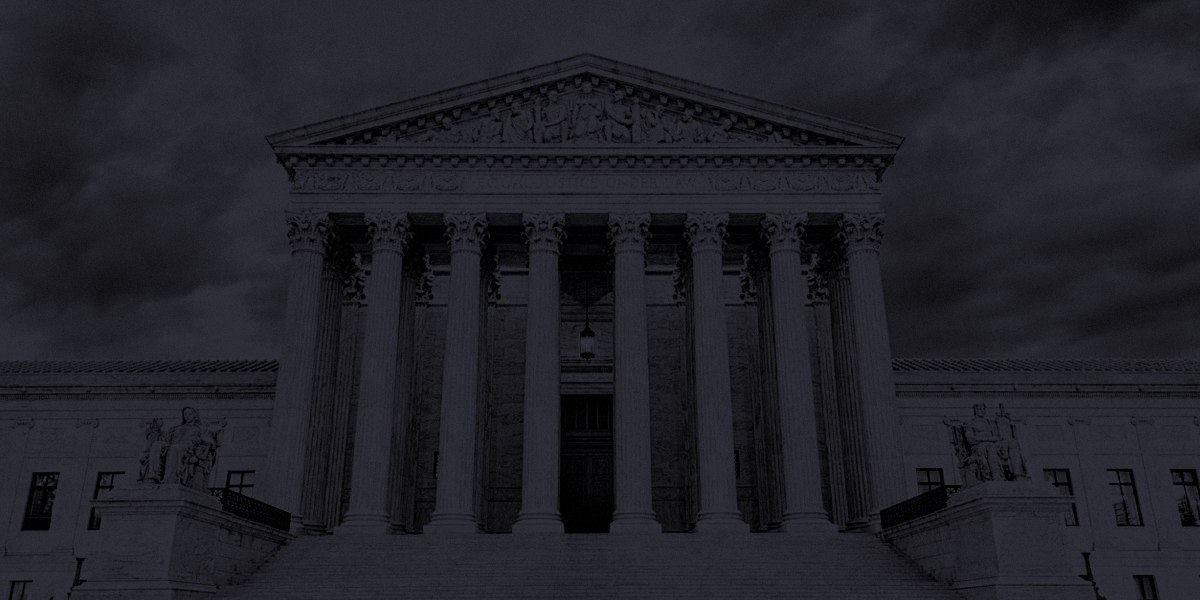
This fall, the Supreme Court will hear a case that could decide whether and how communities can hold Big Oil accountable for climate impacts in court.
Boulder, Colorado is suing ExxonMobil and Suncor to make them help pay for the local cost of climate disasters, after the companies spent decades lying about the damage their products cause.
Boulder is one of many communities suing the fossil fuel industry across the country, so how the Court rules on this case could affect all of them.
Big Oil is hoping the justices will shut these cases down for good. We won’t let them.

Topline
Here’s what you need to know.
This is not an effort to ban oil or regulate emissions. Boulder is asking Exxon and Suncor to cover their fair share of local costs like wildfire recovery, flood protection, and the rising bills landing on taxpayers, after the companies spent decades deceiving the public about the harm their products cause.
More than one in four Americans now live in a community suing oil companies over climate deception, and the industry is treating Boulder as a test case to shut them all down at once. A win for the companies here could make it harder for communities everywhere to recover the costs of disasters they did not cause.
One is whether federal law prevents Boulder from using state law to seek climate damages from Suncor and Exxon. The other, which the justices raised on their own, is whether the Supreme Court got involved too early and should wait until the case reaches a final judgement in Colorado. If they decide it is premature, the case simply continues in Colorado where it left off.
While the companies ask the Supreme Court to kill these lawsuits, nothing about the right to hold polluters accountable changed just because the Supreme Court took this case. State and local lawsuits are still moving forward and the laws behind them are still on the books. The industry wants people to believe the fight is over, but it is only getting started.
The Supreme Court has a corruption problem
The catch is the Justices deciding whether Big Oil pays up have their own ties to the oil industry.
Nearly a quarter of Justice Alito’s personal portfolio is oil and gas stock.
In 2023 he sat out this exact case, the same way he sat out other Big Oil lawsuits where his investments created a conflict.
Now the case is back, he’s chosen to hear it, and he won’t say what changed.


The Boulder climate case is headed to the Supreme Court.
Here is what the justices actually agreed to decide.